

shouldertent.com > Blog > How Long Do Industrial Tents Last? Strategies to Maximize Your Structure’s Lifespan
How Long Do Industrial Tents Last? Strategies to Maximize Your Structure’s Lifespan
- PVC vs. PE Fabric in Commercial Tents: An Engineer’s Material Guide
- Comprehensive Industrial Tent Accessories for Multi-Functional Facilities
- How Aluminum Clear Span Tents Reduce Your Carbon Footprint
- How Long Do Industrial Tents Last? Strategies to Maximize Your Structure’s Lifespan
- Planning a Mega Event: The Ultimate Guide to Large Exhibition Tents
- Fast-Track Your Shenzhen Exhibition Tents with Shoulder Tent
- Stop Building Traditional Banquet Halls: Why Venues Are Investing in High-ROI Aluminum Tents
- Celebrating a New Chapter: Shoulder Tent Group’s Qingyuan Factory Relocation
- Sourcing Polygon Tents: A Buyer’s Guide to Multi-Sided Clear Span Tent Structures
- Premium Canton Fair Wedding Tents & Custom Aluminum Structures Tent
Table Of Contents
Populer Posts
- Back
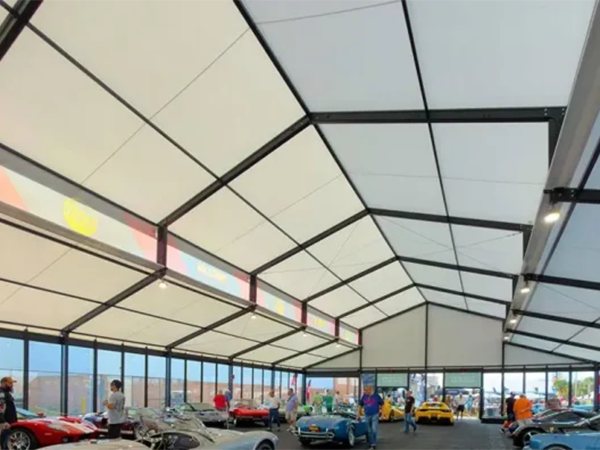
While industrial-grade modular tent structures are engineered for long-term endurance, all materials are subject to eventual degradation, particularly in demanding manufacturing and warehousing environments. For facility managers and logistics directors, predicting the lifecycle of these assets is critical for calculating Total Cost of Ownership.
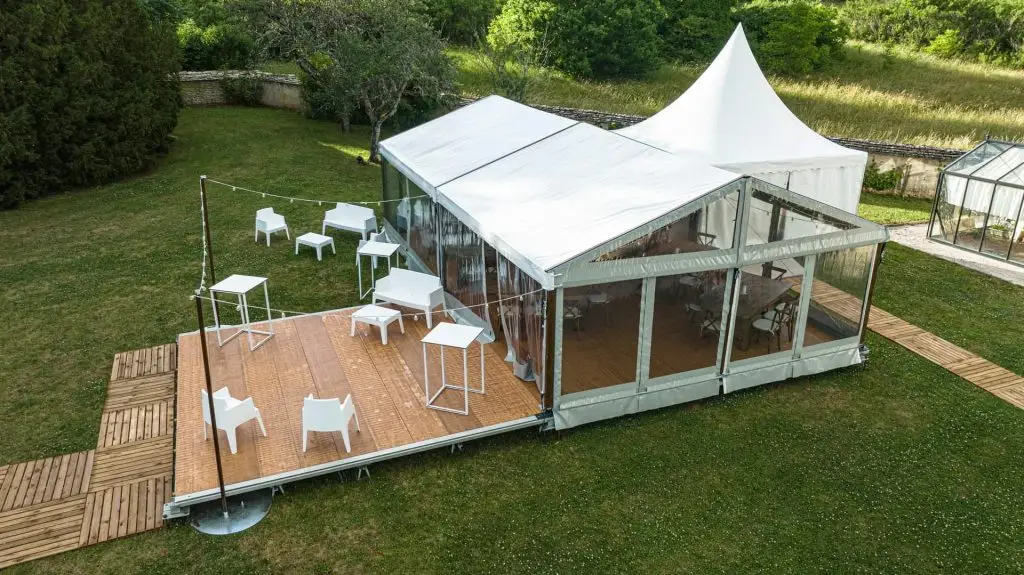
This technical guide defines the specific engineering factors that dictate structural longevity, outlines the operational lifespans of various industrial designs, and provides exact protocols to maximize your asset’s durability.
Core Factors Influencing Industrial Tent Longevity
The service life of a modular industrial facility is not static; it is a variable determined by four primary material and environmental factors:
Membrane Material and Quality
An industrial enclosure consists of two primary systems: the fabric envelope and the structural framework.
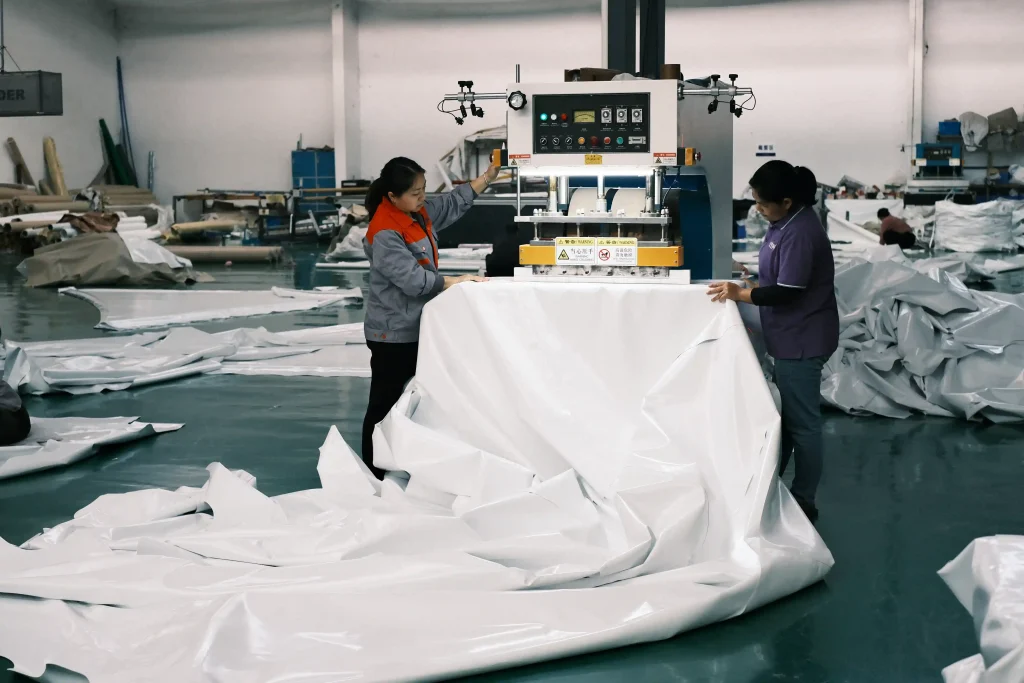
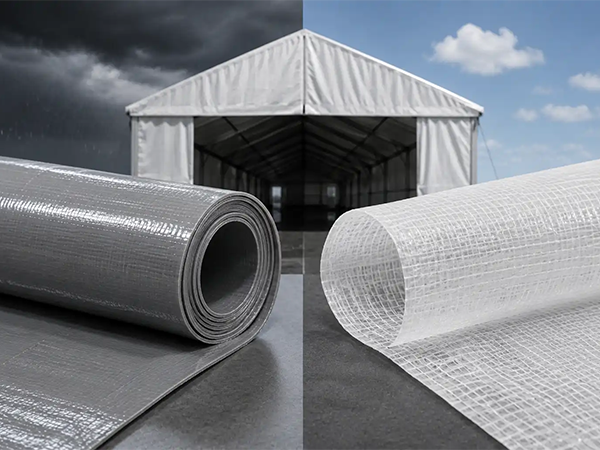
- Fabric Coverings: Standard commercial polyethylene (PE) is highly susceptible to UV degradation and mechanical puncture, offering a severely limited lifecycle. For true industrial applications, high-density, double-coated PVC (Polyvinyl chloride) is the standard. Treated with PVDF top-coatings and UV stabilizers, industrial PVC is 100% waterproof and flame retardant. Proper PVC fabric cleaning utilizing neutral-pH detergents prevents the chemical breakdown of these protective layers, significantly delaying embrittlement.
Framework Engineering
The structural skeleton dictates the foundational lifespan.
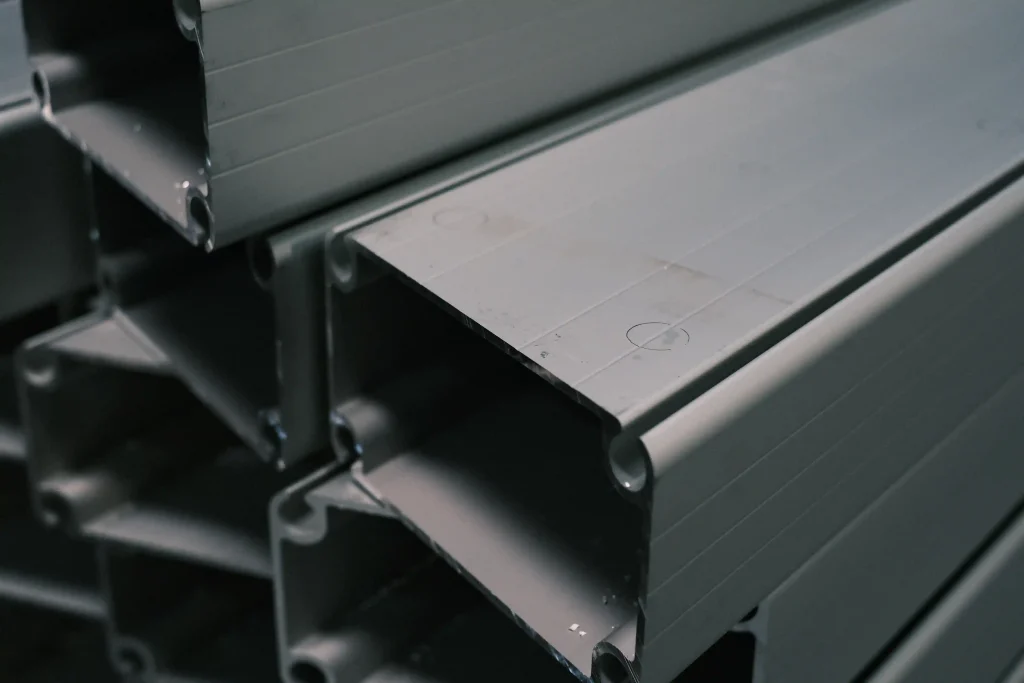
- 6061-T6 Aluminum Alloy: This is the pinnacle of modular engineering. Subjected to solution heat treatment and artificial aging, 6061-T6 aluminum delivers superior yield strength while remaining entirely immune to red rust. Its natural oxidation layer protects the core material even in high-salinity or corrosive manufacturing environments. By utilizing this specific grade, the baseline aluminium tent lifespan fundamentally outpaces standard commercial metals, requiring virtually zero surface maintenance.
Operational Frequency and Dynamic Loads
The continuous operation of high-speed rolling doors, internal pressure fluctuations induced by air conditioning systems, and vibrations generated by nearby heavy machinery all introduce dynamic loads. As permanent, high-traffic logistics hubs, these structural facilities are subjected to micro-stresses that are not encountered by temporary shelters.
Environmental Stress and Maintenance
Prolonged exposure to localized industrial emissions, heavy snow accumulation, and gale-force winds accelerates structural fatigue. Neglecting minor membrane abrasions or failing to audit fastener torque allows localized issues to compromise the macro-structure.
Typical Lifespans Across Different Structural Designs
Structural geometry and engineering profiles directly impact longevity. Here is the operational expectancy for standard industrial configurations:
Heavy-Duty Clear Span Tents
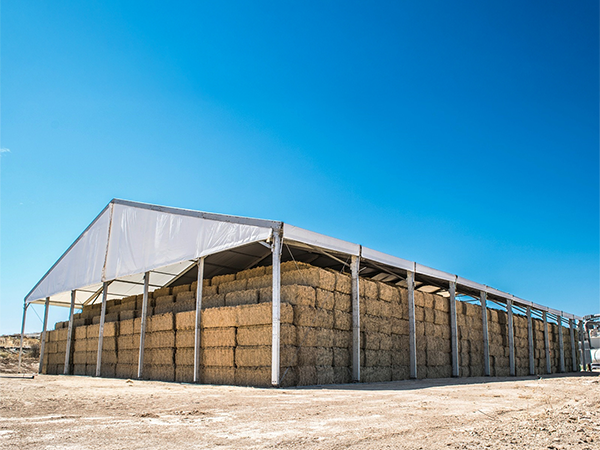
The definitive solution for industrial applications. Engineered without central supports, they guarantee 100% internal volume utilization for racking systems and forklift maneuverability.
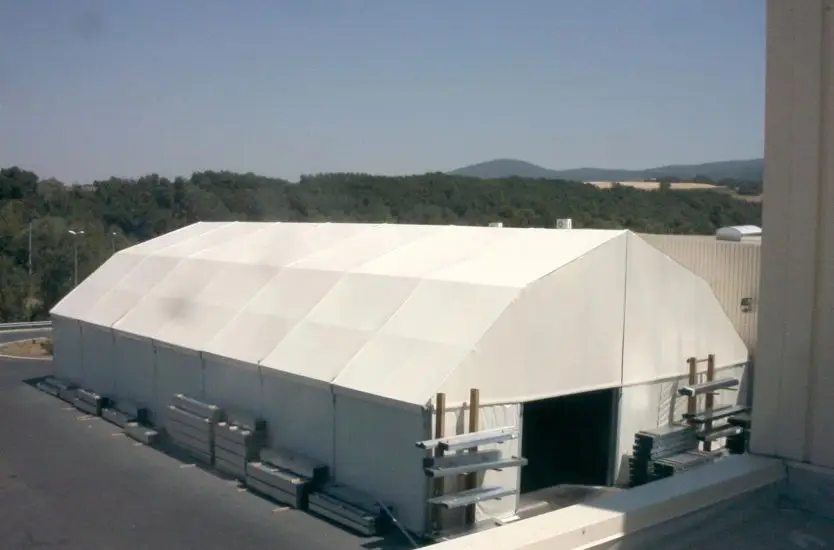
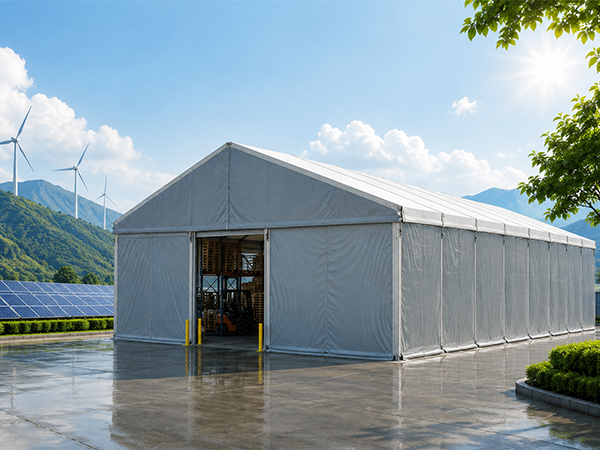
- Lifespan: 20 to 30+ Years. Constructed from massive 6061-T6 aluminum profiles, clear span facilities mirror the durability of permanent construction. With rigorous clear span tent care—such as maintaining exact membrane tension—these structures serve as permanent assets for decades.
Dome Tent
Dome tents are characterized by their spherical shape; such tents are highly efficient for covering large-scale bulk storage facilities or outdoor hotels.
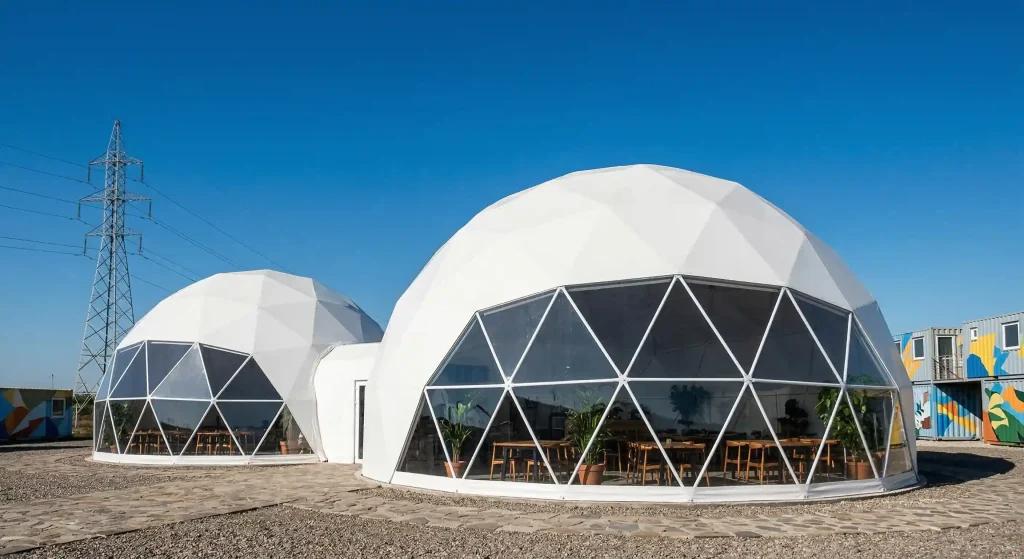
- Lifespan: 20+ years. It features absolutely reliable structural integrity, as well as the architectural membrane material’s resistance to industrial abrasives.
Engineering Tips to Extend Your Structure's Service Life
Translating material potential into actual longevity requires active facility management. Implement the following four protocols to protect your investment:
1. Specify the Correct Load Ratings
Environmental mitigation begins during the procurement phase. Ensure your selected structure is engineered to exceed the specific wind and snow load codes of your geographic zone. A structure operating well within its maximum stress threshold will degrade much slower than one constantly pushed to its engineering limits.
2. Execute Rigorous Storage and Maintenance
When expanding or relocating modular units, handle all components precisely.
- Never drag PVC membranes across asphalt; this destroys the PVDF coating.
- Ensure membranes are 100% dry before rolling to prevent fungal integration into the polyester scrim.
- Institute a strict industrial tent maintenance schedule, documenting quarterly torque audits on all baseplates and eave connectors.
3. Implement Proactive Damage Diagnostics
Conduct monthly visual inspections. Identify membrane micro-tears before they propagate under tension. Execute immediate commercial tent repair protocols using industrial hot-air welders and matching PVC patches to seal breaches. A minor puncture repaired today prevents a catastrophic structural failure during the next severe weather event.
4. Ensure Precision Installation and Grounding
The longevity of the upper structure relies entirely on the sub-grade connection. Verify that the installation surface is perfectly level. Utilize heavy-duty anchoring systems calibrated to the specific soil density. Uneven ground distribution introduces asymmetric stress into the aluminum profiles, eventually causing frame distortion.
Conclusion
The operational lifespan of your industrial warehousing is directly proportional to the quality of the raw materials and the precision of your maintenance protocols.
At Shoulder Tent, we exclusively manufacture and supply premium space solutions engineered from 6061-T6 aluminum alloy and heavy-duty PVC. We do not compromise on structural integrity, ensuring your facility delivers maximum ROI over decades of continuous industrial use.
Does your existing infrastructure require an engineering audit? Or are you planning to construct your next heavy-duty, column-free, long-span warehouse? Visit shouldertent.com and contact us at +1 (747) 203-9635 or info@shouldertent.com to receive the latest quote for our permanent, high-performance modular structures.
FAQ
Q1:What is the realistic operational lifespan of a heavy-duty clear span tent?
When engineered with 6061-T6 aluminum alloy profiles, heavy-duty clear span structures offer an operational lifespan of 20 to 30+ years. This longevity is achieved because the 6061-T6 grade is entirely immune to red rust and provides superior yield strength. Reaching this maximum threshold requires consistent clear span tent care, particularly maintaining exact membrane tension and auditing fastener torque.
Q2:What are the engineering protocols for proper PVC fabric cleaning?
To prevent the chemical breakdown of the membrane, PVC fabric cleaning must strictly utilize neutral-pH detergents. Facility managers must avoid any abrasive scrubbing or harsh solvents. Maintaining the PVDF top-coatings and UV stabilizers is critical to delaying embrittlement and ensuring the double-coated PVC remains 100% waterproof and flame retardant.
Q3:How should maintenance teams handle minor membrane punctures?
Proactive damage diagnostics dictate that micro-tears must be addressed immediately to prevent them from propagating under tension. Standard commercial tent repair protocols require the use of industrial hot-air welders and matching PVC patches to permanently seal breaches on-site. Repairing a minor puncture immediately prevents catastrophic structural failure during subsequent gale-force wind events.

Get a Quote